
From Panic to Calm: Effective Treatments for Fine
By RexVet Team | Reviewed by Dr. Tiffany Delacruz, DVM
What is your cat suddenly pulling the hair, the tail trembling or running unexpectedly? Many times this behavior is thought of as general hyperactivity, but in fact it can be a symptom of feline hyperesthesia syndrome. It is a condition where the cat's nervous system becomes excessively sensitive, so they also panic or overreact in small stimuli. In this blog we will see how to bring your pet to peace from Panic through proper treatment, behavioral changes, and home care.
If you are worried about your cat FHS, or any problem with any of your pets, Rexvet will give you an easy solution at home. 24/7 Virtual Vet Appointment, Own Pharmacy and Required Prescription, All in your reach. And best of all, a portion of some of our packages go as a donation, so you are helping others in addition to helping your pet. Book today, and keep your pet healthy.
What is feline hyperesthesia syndrome?
Feline Hyperesthesia Syndrome is a neurological and behavior problem, where your cat's body suddenly becomes excessively sensitive. It can be seen shaking their skin, constantly moving the tail or running away with fear. Although many owners think this behavior is enlightening, it is actually a specific medical condition.
In this case your cat can cause small stimuli such as light touching, sound or even environmental changes. They excessively begin to lick the hair, suddenly the inside of the room rushes or shakes the skin on the back. Although the common cat anxiety disorder may seem like a different cause, its main problem is abnormal reaction to the nervous system.
It is important for you to understand the matter because the faster it is identified, the faster it is possible to start the correct care. As a result, your pet will suffer less and you will be more relaxed.
Recognizing the symptoms of FHS
It is not advisable to take a sudden change in your cat's behavior. FHS Symptoms are usually quite clear, but many times the owners make them mistakenly consider naughty or hyperactivity. Among the most common signs
Skin rippling (Skin rippling),
The tail suddenly shakes sharply,
Grooming repeatedly or obsessively in certain places of the body
Some cats suddenly start to run inside the room, as if they were having panic attacks.
Again many times they are suddenly scared, hiding or touched only when they are shocked.
If such behavior is regular, it is important to give importance to it.
Behavioral Patterns to watch
There are certain patterns in the behavior of cats with FHS that make it easier to understand.
Stress triggers: The presence of high noise, new environment or other animals can create sudden abnormal reactions.
Time of Day: In many cats, this behavior is more seen in the evening or at night.
Environmental Cues: Removing furniture, excess light or the presence of strangers can increase their discomfort.
If you see these twitching cats regularly in the cat, it may be not only a behavioral problem, but also a health condition.
Causes and triggers of feline hyperesthesia
If your cat behavior suddenly seems abnormal, there may be multiple reasons behind it. Feline hyperesthesia causes are usually associated with neurological problems, genetic effects, long -term stress or environmental changes. Many times the cat's nervous system becomes excessively sensitive, so the small stimulus also becomes a major response. On the other hand, family history or hereditary features also play a major role in some cats.
Cat stress triggers such as extra noise, monotonous environment or lack of adequate sports increase their emotional stress. Again, hormonal imbalances or any other health problems can intensify the symptoms of FHS. All in all, it is not a single reason, but it appears to be a combination of several factors inside and outside.
When Environmental Changes Affect Your Cat
Even a slight change in the environment around you can create large stress for cats.
Furniture: Suddenly remove furniture or add something new they feel uncomfortable.
Noise: The loud noise or suddenly strange sound makes them panic.
Other Pets: The presence of new pets may hit the cat's safety.
Human Interaction: Extra hands, playing loud sports or strangers can make their behavior abnormal.
If such triggers are regularly around your cat, the symptoms of their FHS may appear more frequently.
Effective Treatments for Feline Hyperesthesia
If your cat has Feline Hyperesthesia (FHS), treatment is not just one type—it is usually a combination of several steps.
Medication Options: Anti-anxiety drugs or anti-convulsants are often used to control abnormal behavior in cats. These must always be obtained with a veterinary prescription.
Behavioral Therapy: Desensitization training for cats, which involves gradually exposing them to the source of fear or stress, often works. Safe enrichment toys and interaction techniques are also effective for keeping them mentally occupied.
Environmental Modifications: Having a quiet space in your home, low noise, and stress-reducing routines will help your cat feel more relaxed.
Combining Medication and Home Care
The best results come when you combine medication and home care. That means making changes to your cat’s environment and daily care, not just medication. For example, providing a quiet place, feeding according to a routine, and playing sports—these increase the effectiveness of the medication.
Monitoring Progress
During treatment, you should regularly monitor how your cat's behavior is changing, how hyper it is, or whether there are any new problems. Writing down the changes will make it easier to inform the vet and adjust the treatment accordingly.
Remember, every cat is different. So the right care plan will be created gradually, and your observation will play the most important role here.
Home Care Tips to Keep Your Cat Calm
If your cat has Feline Hyperesthesia, following some simple care tips at home can help him stay calm and relaxed. The key is to reduce stress, create a routine, and care for him with love.
Reducing triggers: Sudden loud noises, frequent furniture moving, or fights with other pets—reduce these things as much as possible.
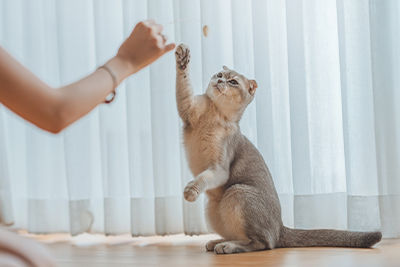
Playtime: Spend some time playing every day. This will use up energy and keep your mind busy.
Grooming: Regular brushing not only keeps the fur beautiful, but also makes the cat comfortable.
Stress management: Feed at the same time every day, keep a quiet place to sleep—these are small things that make a big difference.
Stress-Reducing Toys and Activities
Give your cat interactive toys that keep both its head and body busy. For example—puzzle feeders, ball toys, or feather sticks. These are not only fun, but also reduce stress.
Creating a Safe Environment
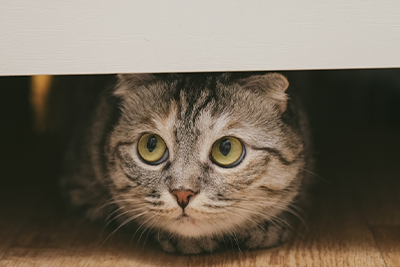
Keep a quiet corner in the house for the cat where he can go whenever he wants. Keep his favorite bed, toys, and water there. Sometimes only this safe place calms the cat.
Your small care plays a big role in the mental health of the cat.
Get solutions to any health problem, including FHS, at home
You don't have to wait for hours at the clinic for any problem you have. Because RexVet will provide your pet with the highest quality treatment at home. We are a non-profit organization, so you will not be burdened with extra costs while giving your pet the best care. Our services are up to 75% cheaper, but absolutely top-rated in terms of quality. We have our own pharmacy with the necessary medicines for your pet, and if necessary, our expert vet doctor will give you a prescription.
Even better, RexVet is available 24/7, meaning that if there is a sudden problem in the middle of the night, you can make a virtual vet appointment from home. Our Per Appointment Plan is only $35 and the Family Plan—$10 per month for four appointments for $120 per year, meaning peace of mind for the whole year at a low cost. In addition, orders over $49 receive free shipping, and some packages are donated, so that many more needy pets get shelter, essential food, and health care. So book your appointment now and keep your pet healthy and benefit the rest of your pets
Conclusion
Feline Hyperesthesia Syndrome is not a common problem—it is related to your cat's physical and mental health. If you identify the symptoms in time and provide proper treatment and home care, your beloved pet can live a much calmer and healthier life. So pay attention to your cat's behavior now and seek professional veterinary advice if necessary. Your care is his safety.
FAQs
Medically Reviewed
Reviewed by Dr. Tiffany Delacruz, DVM — licensed veterinarian and CEO of RexVet. Last reviewed September 29, 2025.
Content is for informational purposes and does not replace professional veterinary advice.
Chief Executive Officer · Licensed Veterinarian
Dr. Delacruz is a licensed Doctor of Veterinary Medicine specializing in preventive care and veterinary telehealth. She reviews all health content on RexVet to ensure accuracy and clinical relevance.
Sources & References
- · American Veterinary Medical Association — Telehealth Guidelines
- · AVMA — Pet Care Resources
- · U.S. FDA — Animal & Veterinary
Need an Expert Opinion on This Topic?
Connect with a certified vet via video call in minutes
Talk to Vet Now