
Early Signs and Symptoms of Cancerous Skin Tags in Dogs
By Rexvet | Reviewed by Dr. Tiffany Delacruz, DVM

It is natural to be concerned if your dog suddenly develops a new lump or hanging skin tag. While these are often just normal skin tags, in some cases they can be early signs and symptoms of cancerous skin.
If the tag suddenly starts to grow rapidly, changes color or shape, or becomes painful and bleeds, it could be an early indication of cancer.
Early signs and symptoms of cancerous skin tags in dogs
How to recognize them, differentiate them,
How to respond promptly
If you are unsure whether your dog’s skin tag is normal or cancerous, you can seek direct licensed and professional veterinary advice from RexVet. With 24/7 online support, our own pharmacy, and prescription facilities, we make caring for your pet easier and safer. Together, these services are perfect for keeping your pet healthy and safe. As we are a non-profit organization, we are 75% affordable. And the best part is that when you buy our packages, a portion of it goes for charity to support pets in need.
What Are Skin Tags on Dogs
Small, hanging lumps of flesh that appear on the body of dogs are basically known as skin tags on dogs. They are usually soft, skin-colored or slightly darker in color, and are mostly harmless. Many owners mistake them for boils or tumors and become worried.
However, not every skin tag is exactly the same. It is important to note that some skin tags remain unchanged, while some grow suddenly, change colors, or take on unusual shapes. These transformations could mean there is the potential for a skin tag to be cancerous.
If a dog's skin tags change in a problematic or concerning way, such as rapidly. growing or causing the dog distress, that is no longer a benign problem. It is important for us to be aware of the potential for some skin tags to be cancerous.
Why Can Skin Tags on Dogs Become Cancerous?
Not every skin tag on a dog is the same. Some tags remain harmless for a long time, while others change over time. These changes increase the risk of developing cancer. It is important to understand whether a lump or bump on your dog’s skin is normal or dangerous.
Normal vs. Abnormal Skin Tags
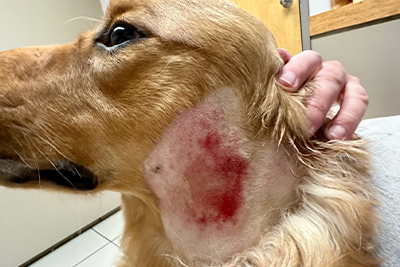
Normal tags are small and soft and remain relatively the same size over time. They are painless and do not affect the dog’s everyday life in any way. Abnormal tags grow rapidly, feel hard, change in color, and may begin bleeding.
Should your dog develop discomfort from a tag, itch, or show pain while walking, it may indicate the tag is not normal, but rather a sign it may be cancerous.
Causes and Risk Factors for Cancerous Growths
There are a few prominent reasons a dog’s skin tag could develop into cancerous growth.
Genetics: Certain breeds of dog have more skin issues.
Age: As they age, cell division becomes more erratic, which increases the risk of cancer
Environmental and Sun exposure: Skin cells can be damaged by excessive sun exposure.
Weakened Immune System: When cancer cells spread, a weakened immune system facilitates the process.
A skin tag on your dog’s body could be cancerous if it matches these risk factors. With that in mind, it is crucial to determine these risk factors.
Early Signs and Symptoms of Cancerous Skin Tags in Dogs
It is not uncommon for dogs to have skin tags, but if you can catch them when they are turning cancerous, it is possible to take action in time. Many owners ignore the symptoms in the early stages, which makes it too late. Therefore, some of the early signs below will help you understand that your dog's skin tag is no longer harmless.
Rapid Growth and Unusual Shape
Cancerous skin tags can change rapidly in size and appearance. These changes often make the skin and tags uneven or misshapen in a concerning manner that signals potential cancer. If the skin tag becomes swollen or changes to the abnormal shapes of uneven, cauliflower-like or become wide. These are cause for concern.
Changes in Color, Texture, or Bleeding
Normal skin tags are skin-colored or light brown. But cancerous tags can change to black, reddish, or multiple colors. They may become hard, or the surface may become rough and uneven. If the tag suddenly bleeds, pus, or fluid comes out—it’s no longer a normal skin tag.
Pain, Irritation, and Infection Around the Tag
A harmless skin tag usually doesn’t cause your dog any discomfort. But if it’s cancerous, your dog may start to itch, react painfully, or rub against the tag while walking, which could lead to infection. Redness, swelling, or foul-smelling fluid around the area are also big warning signs.
If your dog's skin tag shows these early signs, you should seek veterinary advice without delay. Treatment is much more effective when detected early.
How to Tell the Difference Between Benign and Cancerous Skin Tags
Not all skin tags are dangerous for dogs. Sometimes they are simply harmless and remain unchanged throughout their lives. But the problem starts when a skin tag starts behaving abnormally. Understanding the difference between normal and cancerous skin tags on your dog will help you make the right decision in time.
Red Flags Every Dog Owner Should Notice
If you notice—
Skin tag suddenly growing rapidly
Changing color to black, red, or mixed
Hard, rough, or irregular
Bleeding, pus, or foul-smelling fluid
Your dog is itching, feeling pain, or uncomfortable with the tag
Then these are all big warning signs. These are not normal benign skin tags, but rather indicate the risk of cancerous growths.
When to Seek Immediate Veterinary Care
Take skin tags seriously when your dog experiences rapid changes, quick swelling, or infection. Maybe your dog is no longer eating, feels lazy, or something smells rotten near the tag. Then, don’t waste time and seek immediate help from a vet.
If you can spot these warning signs early, you can greatly reduce the risk of cancer.

Diagnosis and Treatment Options for Cancerous Skin Tags
If your dog has a skin tag that could possibly be malignant, seeking a fast and accurate diagnosis and initiating treatment is crucial. Only a veterinary professional can help address your dog’s medical needs the right way. These outlines help with managing these situations best.
Veterinary Examination and Biopsy
To start, a dog medical professional needs to do a complete inspection. Typically, the professional considers the size, color, texture, and skin tag condition. A biopsy is done if there are irregularities. This entails removing a small sample of a skin tag and sending it to a cancer tissue specialist. This is the best form of diagnosis.
Surgical Removal and Other Medical Treatments
Surgical removal is performed if the tag is confirmed to be malignant. To keep the cancer from spreading, the entire tag and some of the tissue surrounding it are excised. In some instances, laser surgery and cryotherapy (destroying tissue with cold) are viable options. Advanced cancer may also warrant palliative treatment, which could include chemotherapy or other drugs.
Aftercare and Recovery for Your Dog
Proper aftercare for your dog after surgery or treatment is very important. There may usually be some pain or discomfort for a few days, so pain management and antibiotics are given. It is important to use an Elizabethan collar to keep the wound clean and prevent the dog from biting the stitches. Regular follow-up checkups can help to determine if the cancer is coming back.
Correct diagnosis, prompt treatment, and a careful recovery plan can greatly protect the dog's life. Now, let's see how to prevent such skin problems in the future.
Prevention and Long-Term Care for Dogs Prone to Skin Growths
Keeping an eye on your dog’s condition is essential to avoid the potential difficulties posed with dog skin tags and other skin issues. A may face higher health risks. You can prevent the tags and maintain an overall positive and happy dog.
Regular Skin Checkups and Grooming
Daily inspections should only take a few moments to check for additional skin tags and other types of skin growth. Skin health can be promoted through light brushing weekly. A more intensive groom is required weekly to remove dead skin cells. You will want to be familiar with the dog tags so you can recognize the abnormal changes and help early.
Diet and Lifestyle to Support Skin Health
Increased water intake is important to a dog's diet, skin health, and overall health. Inflammation can be reduced with higher omega-3 fatty acid foods. One of the greatest health boosters for dogs is exercise. Regular walks and play time boosts health more than anything else.
Importance of Routine Vet Visits
In long term care, regular checkups, complete health checkups and skin exams a minimum of once a year, will help you deal with potential skin tags and ease other growths on the skin. Regular checkups keep potential problems from becoming serious.
Why You Should Choose RexVet for Routine Vet Visits
If you are looking for the best treatment for your routine vet visit for skin tags or cancer at home, RexVet is your best solution.
You will get the most reliable, convenient and affordable vet care for your dog or pet from us. Not only for skin tags or cancer, we help you with all your pet's health problems.
We are a non-profit organization, so we provide services at 75% cheaper than other clinics. Our 24/7 online vet support, in-house pharmacy and prescription facilities ensure fast treatment for your pet. RexVet was recognized as Top Rated in the USA in 2025.
You can get a consultation for just $35/visit through the Per Appointment Plan. And if you want to get regular checkups, the Family Plan lets you book 4 virtual vet appointments for $10 per month or $120 per year, and gets free shipping on orders over $49. We also offer regular free courses on pet care.
Conclusion
When it comes to your dog, not every skin tag is normal. Recognizing early signs of abnormal and potentially malignant skin tags is necessary to avoid problems. If there is a quick increase in size, a significant change in color, or noticeable discomfort, then you need to seek a veterinarian immediately. Frequent skin examinations, regular grooming, a proper diet along with routine checkups, all help to keep a dog in overall good health and lower the odds of these problems. If you want to be sure about your dog’s skin health, book an online vet checkup from RexVet today and stay safe.
FAQ'S:
Are all skin tags cancerous? ▾
How quickly do cancerous skin tags usually change? ▾
How do you know if a tag is normal or cancerous? ▾
Is there any testing we can do at home? ▾
Is treating cancerous skin tags expensive or complicated? ▾
How to reduce the risk of skin tags or cancer in the future? ▾
Medically Reviewed
Reviewed by Dr. Tiffany Delacruz, DVM — licensed veterinarian and CEO of RexVet. Last reviewed January 7, 2026.
Content is for informational purposes and does not replace professional veterinary advice.
Chief Executive Officer · Licensed Veterinarian
Dr. Delacruz is a licensed Doctor of Veterinary Medicine specializing in preventive care and veterinary telehealth. She reviews all health content on RexVet to ensure accuracy and clinical relevance.
Sources & References
- · American Veterinary Medical Association — Telehealth Guidelines
- · AVMA — Pet Care Resources
- · U.S. FDA — Animal & Veterinary
Need an Expert Opinion on This Topic?
Connect with a certified vet via video call in minutes
Talk to Vet Now